Why a Cybersecurity Legend is Targeting Drone Safety
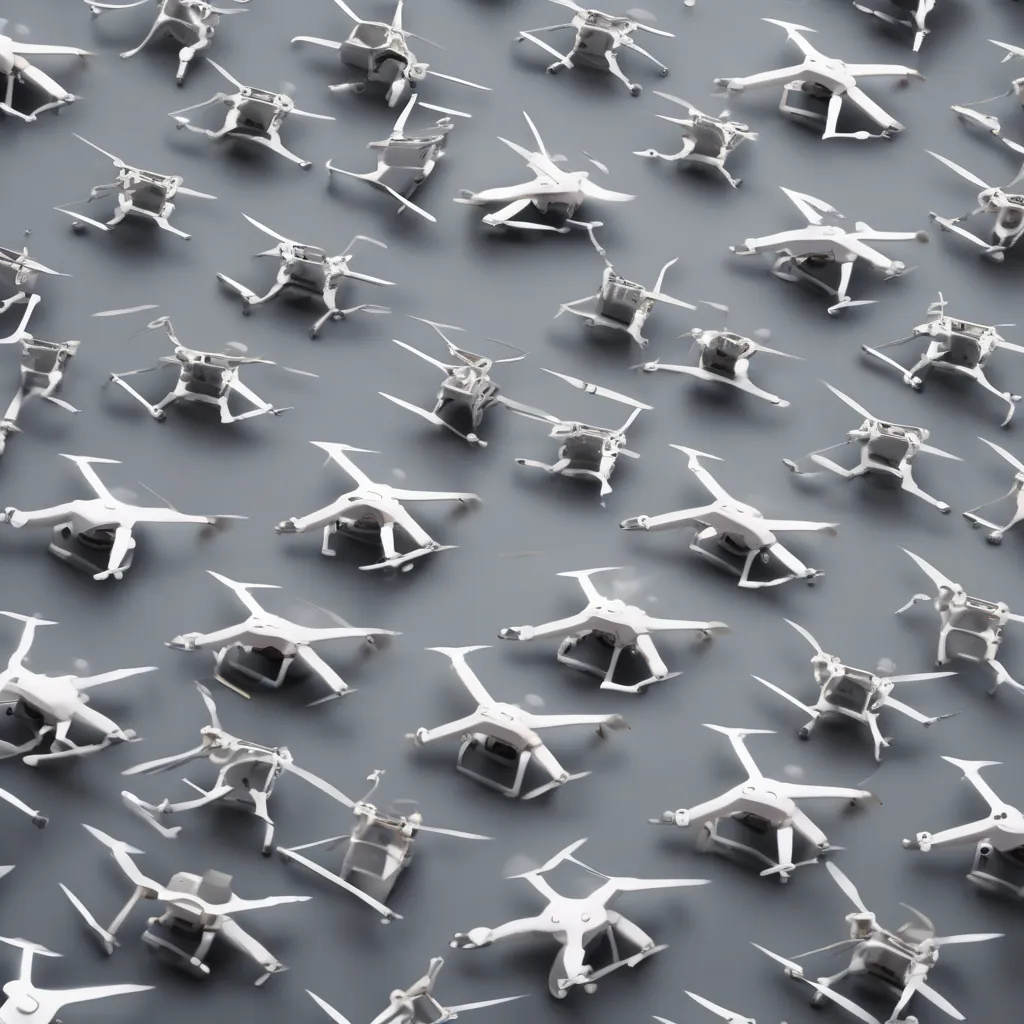
Mikko Hyppönen pivots from fighting malware to tackling drone threats, highlighting the evolving cybersecurity landscape. Discover its implications for tech.
In a tech world shifting from traditional threats to more complex ones, Mikko Hyppönen is a name that every cybersecurity enthusiast recognizes. Known for his relentless battle against malware for over three decades, Hyppönen is now spearheading efforts to combat the threat of drones, pushing the boundaries of security insight into new realms.
What Happened
Mikko Hyppönen has dedicated over 35 years to combatting the digital hazards of our age. His work in fighting computer viruses, malware, and worms is legendary. Recently, however, Hyppönen shifted his focus from the usual digital battlegrounds to a new frontier: drones. Concerned about the emergence of drones as vehicles of threats, he envisions a world where these flying innovations could become dangerous if exploited by malicious actors. Through his new initiatives, Hyppönen isn't just about defending against these machines but understanding and neutralizing their potentially harmful capabilities.
Why It Matters
For developers and the tech industry at large, Hyppönen's transition underscores a vital lesson: the nature of cyber threats is evolving rapidly. Drones, once regarded merely as nifty gadgets, have now been repurposed in various fields, from real estate to agricultural monitoring to delivering goods. But with progress comes peril. The more embedded these technologies become in daily life, the more they can be manipulated for harmful intent. Developers must now factor in this evolving threat landscape, considering not just data or network security but also the physicality and autonomy that drones introduce.
The shift also illuminates a broader industry trend: the convergence of physical and digital security. As hardware and software become increasingly intertwined, cybersecurity professionals must expand their skill sets to include protections against tangible, kinetic threats. This requires both technological innovations and a rethinking of security protocols to account for drone-related vulnerabilities.
Key Takeaways
- Evolving Threats: As the digital world merges with physical entities like drones, cybersecurity measures must adapt to tackle new forms of threats.
- Broader Security Needs: Security professionals should prepare for a future where protection measures extend from digital networks to devices that occupy physical space.
- Continuous Learning: The tech community must maintain a learning curve to stay ahead of new-age threats.
- Collaborative Defense: Integrating efforts across sectors and disciplines will be essential to mitigate potential drone-related risks efficiently.
- Regulatory Updates: Keeping an eye on regulatory changes around drone use and cybersecurity will be critical for staying compliant and secure.
Final Thoughts
As Mikko Hyppönen focuses his genius on combating the threat of drones, it is a call to action for the cybersecurity community. The landscape of digital threats is transforming, and innovative thinking and agility are necessary to address these challenges. The cycle of threat and defense continues its spiral, beckoning developers to not just keep pace but to anticipate and shape the future. As drones soar higher, our defenses must evolve to protect against the potential descent into chaos.
Inspired by reporting from TechCrunch. Content independently rewritten.
Tagged