Nuro Ventures into Tokyo: A New Chapter for Autonomous Vehicles
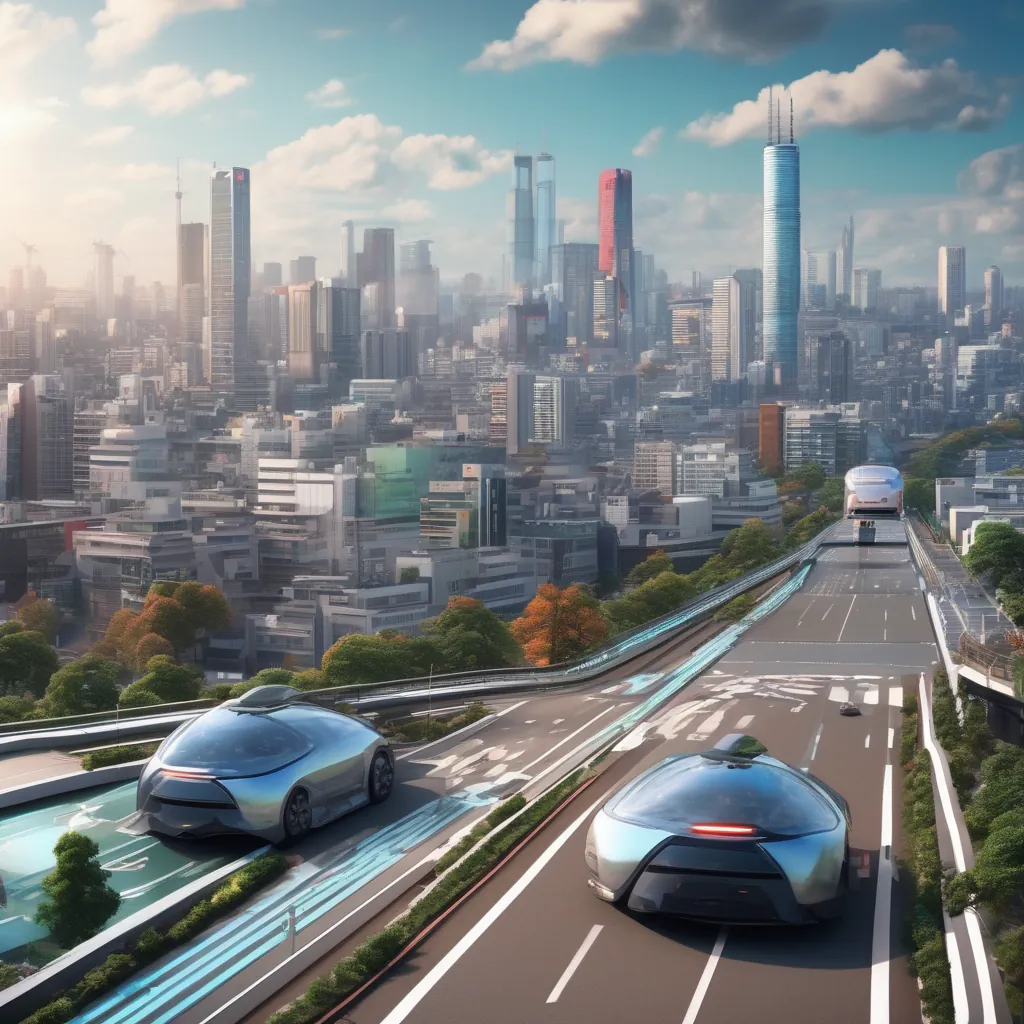
Nuro is testing its autonomous vehicles on Tokyo's streets, a significant move marking its first international expansion. This could redefine urban mobility.
Navigating the Future: Nuro's Self-Driving Tests Begin in Tokyo
The streets of Tokyo have welcomed a new player in the world of autonomous vehicles—Nuro. As technology continues to redefine urban mobility, Nuro's decision to test its self-driving software on Tokyo's public roads marks a significant milestone not only for the company but also for the global autonomous vehicle industry.
What Happened
Nuro, an American autonomous vehicle startup known for its innovative approach to driverless technology, has embarked on its first international project by initiating tests on public roads in Tokyo. Until now, Nuro's operations have predominantly been confined to the United States. This expansion into Japan signifies the company's ambition to hone its self-driving capabilities in a dense urban environment that poses unique navigational challenges. Tokyo's intricate road systems and complex traffic situations provide an ideal testing ground for assessing the effectiveness and adaptability of Nuro's autonomous technology.
The decision to venture abroad aligns with Nuro's broader strategic objectives to not only verify the robustness of their self-driving software but also to explore new markets with substantial demand for autonomous delivery solutions. In Tokyo, Nuro aims to test its vehicles' ability to safely navigate, deliver goods, and perform in busy city streets, which are teeming with pedestrians, cyclists, and other vehicles.
Why It Matters
Nuro’s expansion into Tokyo is a noteworthy development in the autonomous vehicle landscape for several reasons. Tokyo, a city known for its technological savvy and robust public transport systems, offers a unique setting that tests every facet of autonomous technology, from pedestrian safety to efficient traffic navigation. Successfully integrating autonomous vehicles in such an environment could serve as a blueprint for cities worldwide.
For developers and those in the tech industry, Nuro's move opens up a plethora of opportunities to delve into the intricacies of autonomous vehicle technology, such as AI, machine learning, and sensor fusion. The data gathered from this new setting will be invaluable, providing insights necessary for refining algorithms and enhancing vehicle decision-making processes. Moreover, Nuro's expansion highlights the growing global market for autonomous solutions, a trend that tech enthusiasts and developers should closely watch as it may steer the future of urban mobility.
Key Takeaways
- International Expansion: Nuro's Tokyo tests mark the company’s first foray beyond U.S. borders, indicating a step towards global outreach.
- Complex Urban Testing: Tokyo presents unique challenges with its dense traffic and intricate roadways, offering critical data to refine autonomous technology.
- Market Validation: Successful tests in Tokyo could validate Nuro's autonomous approach and promote adoption in other congested cities worldwide.
- Technological Insights: Development in AI and machine learning for navigation and safety is key, with Tokyo’s environment providing valuable real-world data.
- Growth Opportunities: The expansion signals opportunities in the global market for autonomous vehicles, hinting at future technological advancements and employment prospects.
Final Thoughts
As Nuro embarks on its journey in Tokyo, the company is not just expanding its geographic footprint; it is pushing the boundaries of what autonomous technology can achieve. This venture not only demonstrates the potential for autonomous vehicles in complex urban settings but also sets the stage for future innovations that could transform urban mobility around the globe. Developers and tech enthusiasts should keep an eye on this project as it unfolds—it's a fascinating glimpse into the future of transportation.
Inspired by reporting from TechCrunch. Content independently rewritten.
Tagged