Nuro Goes Global: Testing Autonomous Vehicles in Tokyo
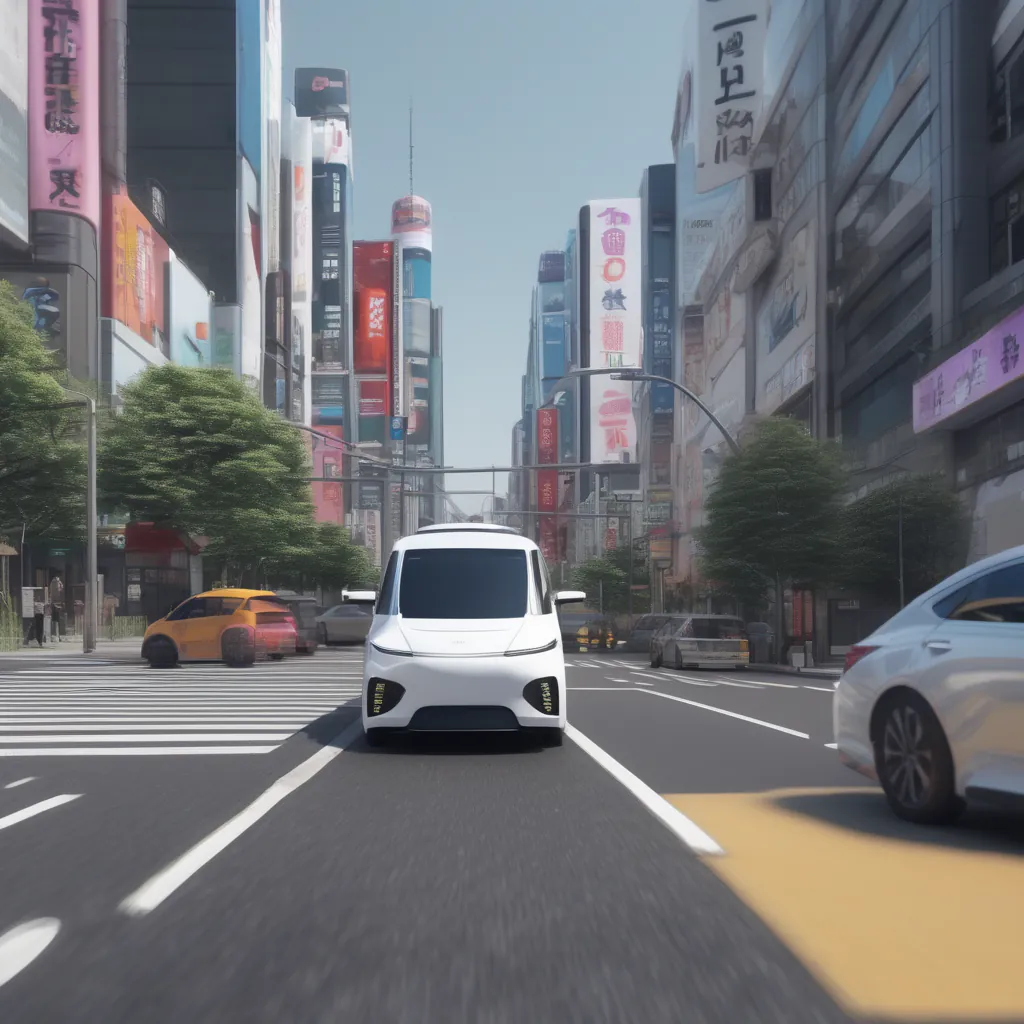
Nuro has embarked on its first international venture, testing autonomous vehicles in Tokyo. This move could redefine global perceptions and applications of self-driving tech.
The future of autonomous vehicles isn't limited to Silicon Valley or the streets of U.S. cities. Nuro, a pioneering company in the self-driving technology space, has embarked on an ambitious project, taking its cutting-edge software to the bustling streets of Tokyo. This marks the company's first significant step outside of the U.S., pointing towards a global shift in the landscape of autonomous driving.
What Happened
Nuro, recognized for its significant strides in developing self-driving technology, has started testing its autonomous vehicle software on public roads in Tokyo. This expansion into Japan marks the startup’s first international testing environment, allowing them to evaluate their technology in a different urban setting. Tokyo's roads are known for their complexity and density, providing a unique challenge that could reveal how adaptable and efficient Nuro's technology truly is.
The company's initiative in Japan represents a strategic move to explore diverse and potentially lucrative markets for autonomous vehicles. Nuro’s robots, mainly designed for goods delivery, are set to navigate the busy and sometimes winding streets of Tokyo, bringing their revolutionary tech to an international stage.
Why It Matters
This international testing is more than just a landmark for Nuro; it has broader implications for the tech industry and developers worldwide. By extending their reach to Tokyo, Nuro is not only showcasing their confidence in their autonomous systems but also highlighting the readiness of such technology for cross-border applications. For developers, this could spark a wave of new opportunities, from creating more culturally adaptable AI systems to integrating local traffic norms and behaviors into autonomous algorithms.
Moreover, Tokyo's challenging driving environment is a litmus test for the robustness of self-driving software. Success in such a market could accelerate the adoption rate of autonomous vehicles worldwide, pushing the industry closer to widespread commercialization. Developers and tech companies will need to consider international regulations, diverse infrastructural challenges, and cultural nuances, paving the way for more inclusive technology adaptations.
Key Takeaways
- International Testing: Nuro's venture into Tokyo is a crucial step for the company's global aspirations and a testament to its technological capabilities.
- Diverse Conditions: Testing in Tokyo's busy streets could act as a benchmark for the robustness of self-driving technologies.
- Opportunity for Developers: New markets require adaptation of local traffic rules and consumer preferences in autonomous systems, presenting new avenues for developers.
- Industry Impacts: Success in Tokyo could boost public trust and adoption rates globally, influencing regulations and tech policies.
- Cultural Adaptation: Launching in international markets presses the need for tech solutions to be culturally aware and adaptable.
Final Thoughts
As Nuro's autonomous vehicles navigate the streets of Tokyo, they carry with them the potential to redefine urban landscapes across the globe. This venture could lead to a dramatic shift in how self-driving technologies are developed, tested, and implemented on a global scale. While it's an entry into a challenging market, it’s also a potential doorway to universal acceptance and application of autonomous delivery solutions. The journey through Tokyo's streets may well be the precursor to a technological revolution in how we move goods and people, setting the stage for a future that's just around the corner.
Inspired by reporting from TechCrunch. Content independently rewritten.
Tagged