Arm's Foray into Chip Production: A New Era in AI Hardware
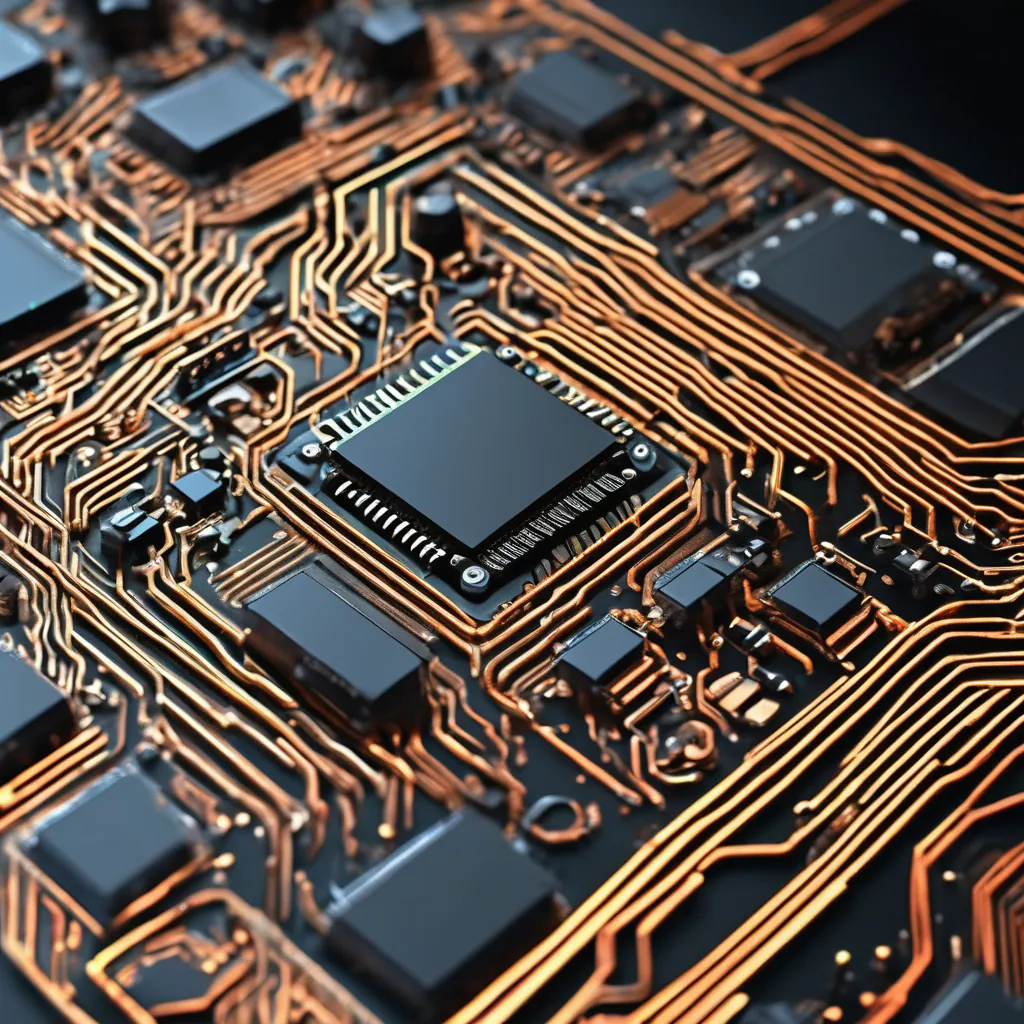
Arm is now producing its own AI chips, attracting interest from major tech players. This diversification could redefine AI hardware, offering new possibilities for developers.
In a surprising twist for the tech industry, Arm has transitioned from being solely a chip design giant to actively producing its own chips. This move marks a pivotal moment in the realm of artificial intelligence (AI) hardware, and it's already catching the attention of major players like Meta, OpenAI, Cerebras, and Cloudflare.
What Happened
Historically, Arm has been celebrated for its proficiency in designing energy-efficient microprocessors, which are ubiquitous in smartphones, tablets, and various IoT devices. Rather than manufacturing these chips themselves, Arm licenses its architecture to third-party manufacturers. Now, Arm has taken a transformative step by developing its own AI-focused chips. This strategic shift is inspired by the rapid evolution of AI applications and the growing demand for specialized hardware that can handle AI workloads with greater efficiency.
In recent announcements, Arm has confirmed partnerships with industry titans such as Meta, OpenAI, Cerebras, and Cloudflare, indicating a strong demand and industry confidence in Arm's hardware capabilities. By integrating AI-centric features into its chips, Arm aims to deliver advanced computational power while maintaining its famed energy efficiency, benefitting both large-scale data centers and edge computing environments.
Why It Matters
This move by Arm sends ripples through the tech landscape, particularly for developers and companies invested in AI and machine learning (ML). The development of in-house chips allows Arm to push the boundaries of performance optimization, tailoring chips specifically for AI tasks. This could lead to significant breakthroughs in processing speeds, energy consumption, and data handling abilities.
For developers, the benefits are multi-fold. Firstly, the introduction of Arm-produced AI chips is likely to stimulate more innovation in AI applications, as these chips offer more efficient data processing capabilities. Developers can harness this power to build more sophisticated models and applications, addressing complex problems with improved computational efficiency. Furthermore, increased competition in the AI hardware space typically drives down costs and boosts technological advancements, further spurring growth in the AI industry.
Key Takeaways
- Arm's Strategic Expansion: Arm is not just a design firm now; it is actively manufacturing its own AI chips.
- Significant Client Base: Major companies like Meta, OpenAI, and Cloudflare are among the first to test and potentially adopt these new chips.
- Enhanced AI Capabilities: Arm's chips promise improved performance for AI tasks, benefitting developers with faster processing and better energy efficiency.
- Industry Impact: This move increases competition in AI hardware, likely accelerating tech advancements and reducing costs.
- Developer Opportunities: With more powerful and efficient chips, developers can create more advanced AI applications, pushing the boundaries of what AI can achieve.
Final Thoughts
Arm's entry into the chip production arena is more than just a business expansion; it's a strategic move that could redefine the AI hardware landscape. As we advance into a future increasingly dominated by AI, having powerful, efficient chips will be crucial for sustaining technological evolution. Developers and companies who adapt quickly to these changes will be at the forefront, driving innovation and capturing new market opportunities. As Arm continues to develop and refine its chip offerings, the potential for groundbreaking advancements in AI is substantial, promising an exciting journey ahead for the tech community.
Inspired by reporting from Wired. Content independently rewritten.
Tagged