Arm's Foray Into AI: Designing Chips for Tech Titans
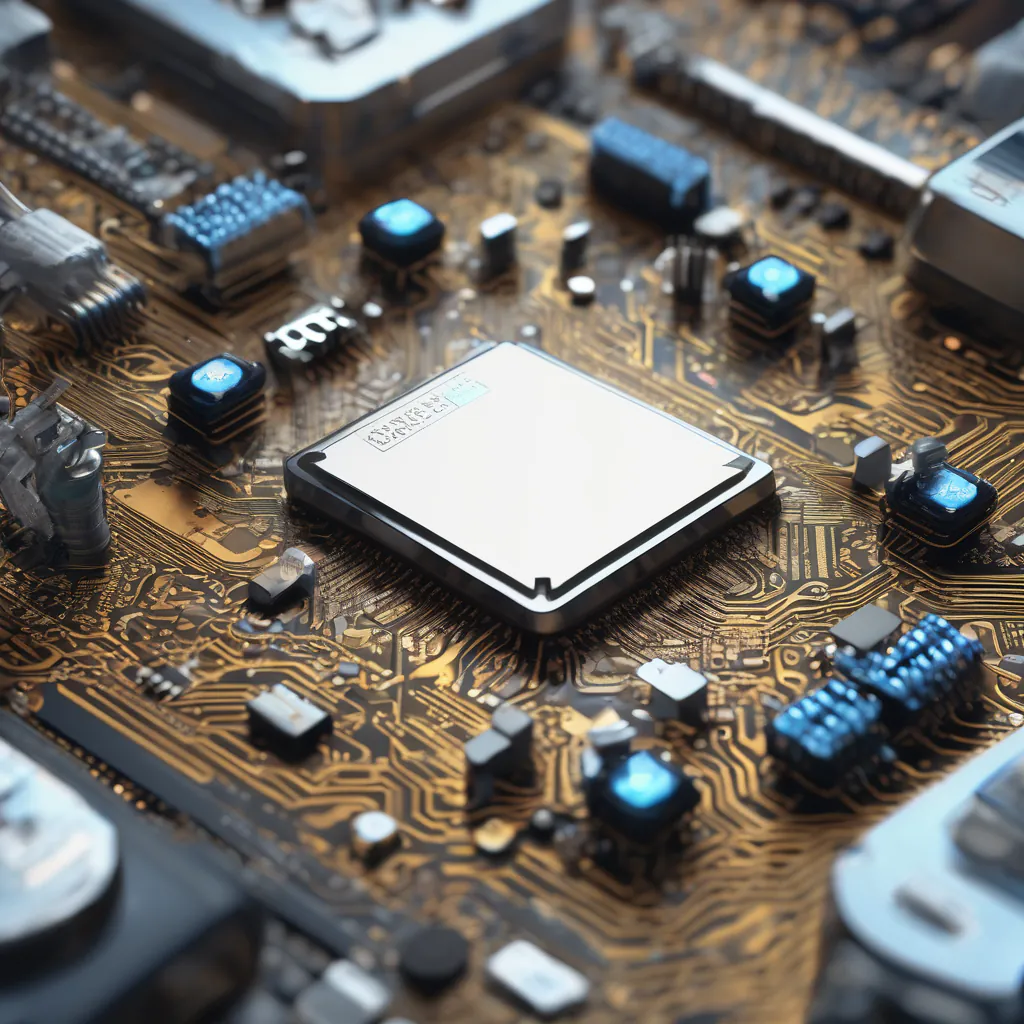
Arm has begun designing its own AI chips, initially serving tech giants like Meta and OpenAI. This shift may lead to new innovations and competition in AI tech.
Artificial intelligence is redefining the boundaries of what's possible in the tech world, and now Arm is stepping up its game by designing its own chips to support this revolution. As AI demands escalate, the entry of Arm into chip manufacturing for AI marks a significant development. Let's explore what this means for the industry and developers alike.
What Happened
In a noteworthy shift, Arm, traditionally known for its prowess in chip architecture and licensing, is now taking a bold step into the realm of chip manufacturing. The company has begun crafting its own artificial intelligence hardware, with prominent companies like Meta, OpenAI, Cerebras, and Cloudflare as its initial customers. This move diversifies Arm's role in technology, advancing from merely planning and licensing chip designs to actively producing sophisticated AI hardware.
The impetus for this venture stems from the soaring demand for AI capabilities. These organizations are at the cutting edge of AI, focusing on enhancing processing power and efficiency, where specialized chips from Arm offer a new avenue to push performance limits. This initiative is not just about improving performance; it's about enabling innovations that will shape the future of AI-driven applications.
Why It Matters
The implications of Arm's new endeavor stretch far and wide across the tech landscape. For developers, this development is particularly significant as it provides more choices and potentially more powerful hardware on which to build their applications. As AI and machine learning models grow increasingly complex, the need for potent backend infrastructure becomes ever more critical. Arm's chips are poised to fill this gap, offering a robust alternative to existing silicon giants.
Moreover, Arm's entry into AI chip manufacturing signals a broader trend of diversification within the tech industry. By creating chips specifically tailored for AI, Arm is addressing both current and future needs of high-tech industries, setting a new standard for innovation. This also adds pressure on existing chip manufacturers to enhance their own AI offerings, driving a competitive spirit that can accelerate technological progress.
Key Takeaways
- Arm Transition to Chip Production: Arm has diversified its role from designing to producing its own chips, particularly for AI applications.
- Initial Collaborations: Major tech firms like Meta, OpenAI, Cerebras, and Cloudflare are already leveraging Arm's new AI hardware.
- Enhanced Developer Options: Developers now have access to Arm's specialized chips, which could lead to improved performance and innovative AI solutions.
- AI Industry Impact: This move by Arm may catalyze increased competition among chip manufacturers, pushing advancements in AI technologies.
- Future of AI Infrastructure: Arm's venture into chip production embodies a forward-looking approach to AI infrastructure development, potentially setting new industry standards.
Final Thoughts
As Arm steps into the chip manufacturing arena with a focus on AI, the tech world stands at the cusp of another transformation. This move not only heralds increased competition among chip producers but also paves the way for groundbreaking advancements in AI technology. For developers and tech enthusiasts, this means a fresh array of tools and possibilities that can power the next wave of innovation. As the demand for AI capabilities grows, it's exciting to imagine how Arm's contributions could shape the AI landscape in the years ahead.
Inspired by reporting from Wired. Content independently rewritten.
Tagged